
Site Design Standards (SDS)
SDS 4.1 Preservation of Natural Areas & Cultural Features
| Single Family | Multi-Family | Commercial | ||||||||||||||||||
| RP-1N | RP-1A | R-1A | RP-1 | R-1 | RP-2 | R-2 | RP-3 | R-3 | RP-4 | RP-5 | RP-6 | CP-0 | C-0 | CP-1 | C-1 | CP-2 | C-2 | CP-3 | C-3 | |
SDS 4.1.1 Intent.
Mature trees, rolling topography, and stream corridors are elements that contribute to the character of Overland Park. New development shall work with the natural environment to ensure that the features continue to provide stormwater management, air purification, shade, and scenic beauty in the future.
SDS 4.1.2 Standard.
Significant natural, historic, or cultural features shall be protected. A site analysis submitted by the applicant shall identify any significant on-site features known by the applicant. The city shall ensure that the site analysis is complete, and determine whether any existing significant features are adequately protected.
SDS 4.1.3 Significant Features.
A significant feature shall be defined as one of the following:
- Floodplains and surface drainage channels.
- Significant trees.
- Historic, cultural, or archeological structures, sites, or areas recognized by the city, state, or federal government as significant.
- Lakes, rivers, stream corridors, and bodies of water.
- Prominent ridges, bluffs, or valleys.
- Steep slope areas.
- Wetlands.
- Any feature deemed by the city to be significant.
| Significant Features | ||
|
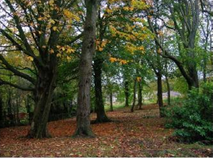
Significant Trees |
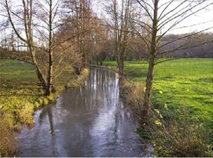
River or Stream corridors |
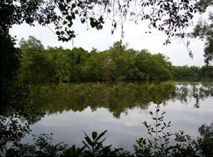
Wetlands |
Effective on: 1/1/1901